By Maksimiliyan Yanakiev
•
February 22, 2026
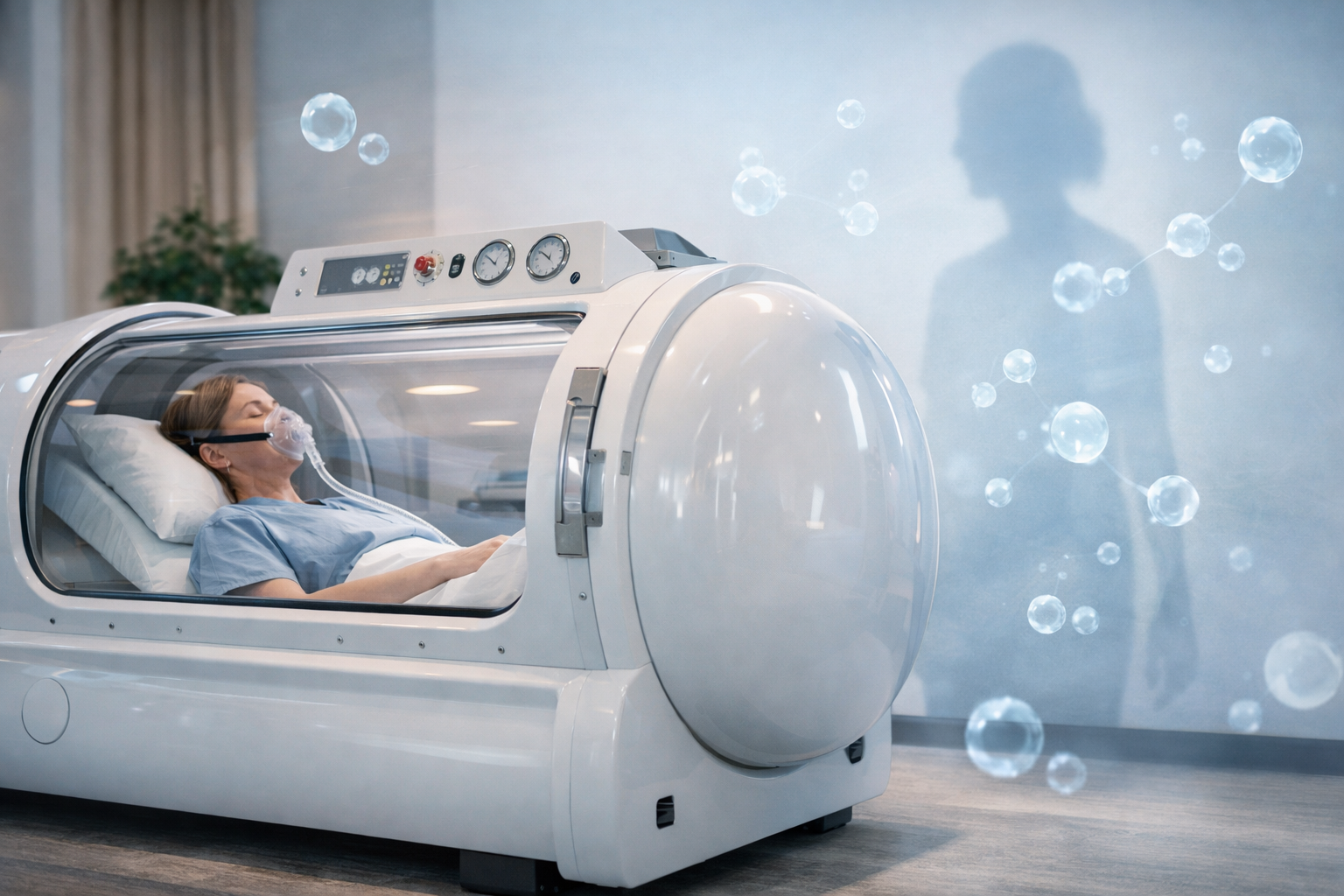
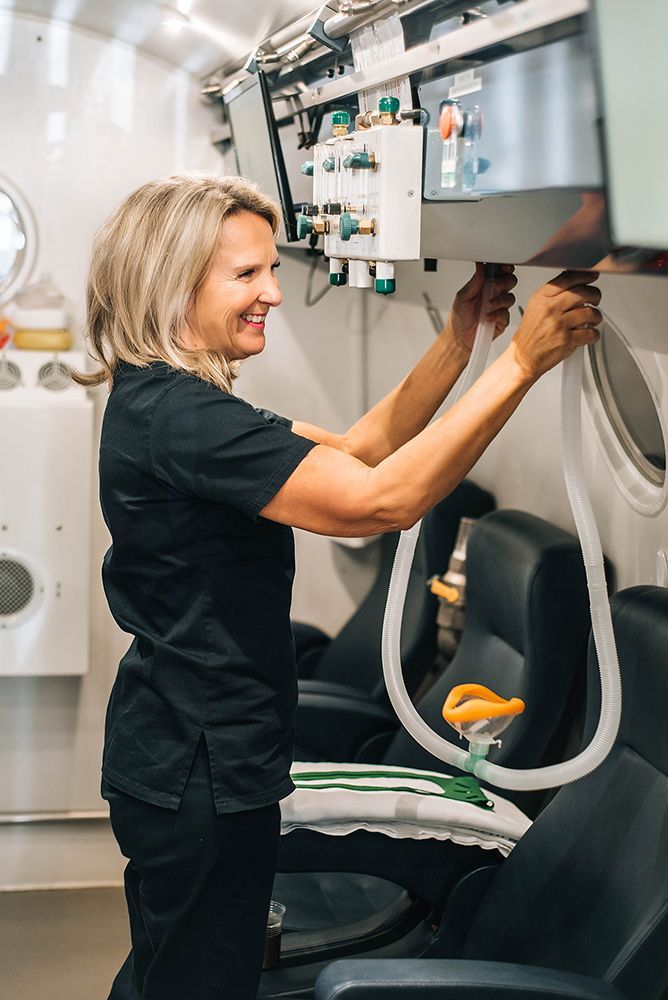
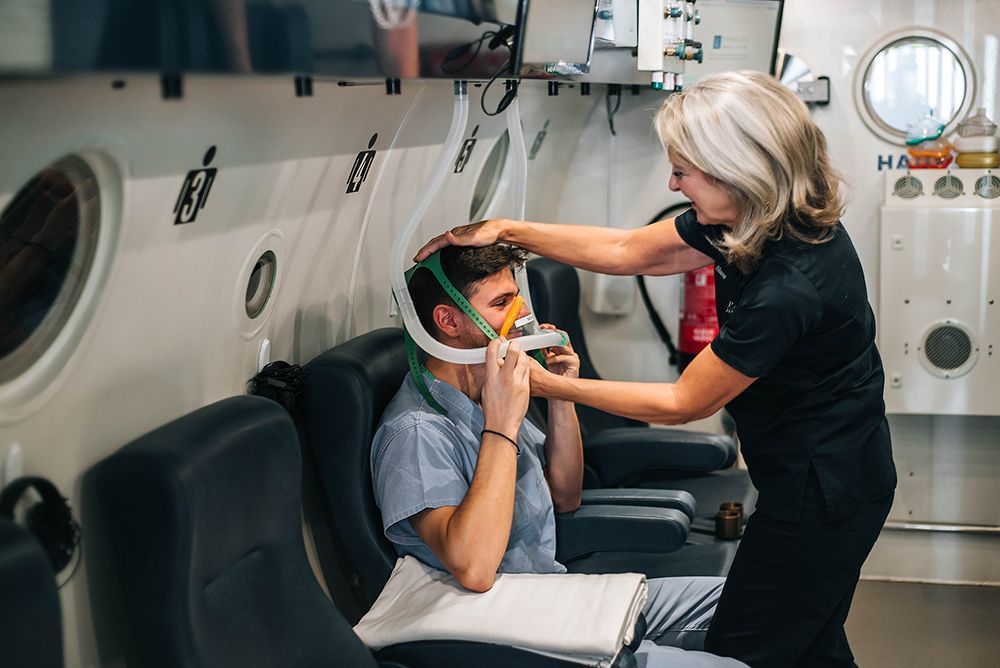
Long COVID doesn’t just linger. For many people it reshapes daily life: energy becomes unpredictable, sleep stops feeling restorative, and even small mental or physical tasks can trigger a setback. The CDC notes that fatigue, cognitive symptoms (“brain fog”), and post-exertional malaise (symptoms that worsen after physical or mental effort) are commonly reported in Long COVID. If this sounds familiar, you’re not alone, and you’re not imagining it. At Panacea, we meet people who feel stuck in that frustrating in-between: “I’m not acutely sick anymore, but I’m not back to myself.” One therapy that’s becoming increasingly discussed for Long COVID is Hyperbaric Oxygen Therapy (HBOT). And while it’s not a magic switch, the right HBOT program, done safely, with the right “dose,” and with clinical oversight, may help many people feel progress again. What Long COVID often feels like Long COVID can look different from person to person, but many patients describe a similar pattern: Energy that crashes without warning Brain fog, slowed thinking, forgetfulness, or trouble focusing Sleep that doesn’t “reset” you Shortness of breath or chest tightness Headaches, body aches, or nerve-type discomfort Feeling worse 12 to 48 hours after activity (post-exertional malaise) The hard part is that it’s not just one symptom. It’s a whole recovery system that feels off. So where does HBOT fit into this? HBOT in one sentence, HBOT is a medical therapy where you breathe oxygen inside a pressurized chamber, allowing more oxygen to dissolve into your blood and reach tissues throughout the body. In practical terms: HBOT is designed to create a high-oxygen environment that can support healing and recovery biology, not just mask symptoms. Why “pressure + oxygen” matters more than oxygen alone At normal atmospheric pressure, your red blood cells carry most of the oxygen you deliver. Under hyperbaric pressure, oxygen dissolves into plasma at much higher levels, increasing delivery potential to tissues. That’s one reason HBOT is used in conventional medicine for specific conditions where oxygen delivery and healing are critical. The Undersea and Hyperbaric Medical Society (UHMS) notes that scientifically supported hyperbaric treatments are typically delivered at pressures between about 1.9 and 3.0 ATA and are standard of care for several established medical conditions. (UHMS) Long COVID is not yet an established standard indication, but it is being actively studied. Why researchers think HBOT might help Long COVID Long COVID appears to be multifactorial. A growing body of research suggests that in some people, post-COVID symptoms may involve vascular/endothelial dysfunction (the lining of blood vessels), persistent inflammation, microvascular issues, autonomic nervous system disruption, and more. A state-of-the-art review in JACC: Advances discusses COVID-related endothelial dysfunction and its clinical implications, including persistence for months after infection and potential relevance to post-acute sequelae (PASC/Long COVID). (JACC: Advances/PMC) HBOT is being explored because it may support recovery through mechanisms that could matter in Long COVID, such as: Supporting oxygen delivery and tissue metabolism (Mayo Clinic) Influencing microcirculation and recovery signaling Triggering repair-related pathways through repeated intermittent oxygen exposure, sometimes described as the “hyperoxic-hypoxic paradox” (Hadanny & Efrati, PubMed) Think of it as helping the body re-enter a more “pro-repair” mode. What the evidence says You deserve the truth: the research on HBOT for Long COVID is promising in some studies, mixed in others, and still evolving. Here’s what stands out: Randomized sham-controlled trial showed improvements in symptoms and cognition A well-known randomized controlled trial in Scientific Reports (2022) reported improvements in neurocognitive outcomes and symptoms in post-COVID condition patients who received HBOT compared with sham treatment. (Scientific Reports, 2022) Follow-up data suggests benefits may persist for some patients A longitudinal follow-up publication in Scientific Reports (2024) reported longer-term outcomes after HBOT in post-COVID condition participants. (Scientific Reports, 2024) A large real-world registry found many improved, but some worsened A prospective registry published in Scientific Reports (Aug 2025) tracked patient-reported outcomes after HBOT for Long COVID. It reported that a majority of patients had clinically relevant improvement in SF-36 mental/physical component scores at 3 months, but a meaningful minority had deterioration, highlighting that patient selection and monitoring matter. (Scientific Reports, 2025 registry) Short courses may not be enough In the HOT-LoCO randomized, placebo-controlled, double-blind phase II trial (BMJ Open, 2025), 10 HBOT sessions did not show more short-term benefit than placebo, even though both groups improved over time. This suggests that “dose” and protocol design may be key factors. (BMJ Open/PubMed, 2025) The takeaway: HBOT appears most promising when delivered as a structured course similar to what was used in trials showing benefit, and when the program includes safety screening and progress tracking. What people often notice when HBOT is helping Every patient is different. But when HBOT is a good fit, the improvements people commonly describe are practical: Thinking feels clearer and faster Energy becomes more stable (less “boom and bust”) Sleep feels deeper or more restorative Mood and resilience improve Daily tasks become easier again Setbacks after exertion may become less severe over time At Panacea, many Long COVID clients tell us they feel like they’re “turning a corner,” sometimes after months of feeling stuck. We never promise a cure, and results vary, but we do see meaningful changes in real-world function for many people who commit to a structured plan. What a Panacea HBOT experience typically looks like We keep the experience calm and supportive, but the approach is clinical and deliberate. Medical intake and candidacy screening We review symptoms, timeline, medical history, and safety factors before you begin. A structured plan Evidence suggests shorter protocols may be less effective for many people, so we focus on an intentional course design, adjusted to your symptom profile and tolerance. (BMJ Open 2025; Scientific Reports 2022) Progress tracking We encourage tracking of the outcomes that matter most: cognition/clarity, energy stability, sleep quality, and day-to-day function. Pacing-friendly care Because post-exertional malaise is common in Long COVID, your overall plan should respect pacing principles and aim to reduce setbacks, not push you into them. The CDC provides clinical guidance on PEM, including that symptoms often worsen 12 to 48 hours after activity and can last days or weeks. (CDC Clinical Guidance) Safety: what matters most HBOT is generally well tolerated when delivered correctly, but it is medical therapy and must be treated seriously. Absolute contraindication: untreated pneumothorax StatPearls/NCBI states the only absolute contraindication to HBOT is untreated pneumothorax. (NCBI Bookshelf) Possible side effects Common issues include ear/sinus barotrauma; rare but serious risks include oxygen toxicity (which can cause seizures) and lung complications. Johns Hopkins outlines these risks and emphasizes weighing benefits and risks with a clinician. (Johns Hopkins) Device and facility safety The FDA published a Letter to Health Care Providers (Aug 25, 2025) reminding facilities about safe HBOT device use and the importance of following manufacturer instructions, after reports of serious injuries and deaths. (FDA) Bottom line: if you’re considering HBOT, do it in a setting with proper screening, trained oversight, and clear safety protocols. FAQ Is HBOT “approved” for Long COVID? HBOT is FDA-cleared/recognized for certain established conditions, but Long COVID is not yet a standard indication. HBOT for Long COVID is best viewed as an emerging, evidence-informed option that should be delivered with medical oversight. (UHMS) How quickly will I know if it’s working? Some people notice changes during the first weeks; others notice more gradual improvement across a full course. The research that shows the strongest signal generally uses structured multi-week protocols. (Scientific Reports 2022) What if I have post-exertional crashes? That’s common in Long COVID. Your overall plan should be pacing-aware, and your care team should help you avoid strategies that trigger setbacks. (CDC Clinical Guidance) Ready to explore HBOT for Long COVID? If Long COVID is limiting your life, HBOT may be a science-supported option worth exploring, especially when it’s delivered safely, in a structured program, with outcomes tracking. Book a Long COVID + HBOT consultation at Panacea Medical disclaimer This content is for educational purposes and does not constitute medical advice. HBOT may not be appropriate for everyone. Please consult a qualified clinician for evaluation and individualized guidance. References CDC - Long COVID Signs and Symptoms (Jul 24, 2025) https://www.cdc.gov/long-covid/signs-symptoms/index.html CDC - Long COVID Clinical Guidance (Managing Post-Exertional Malaise) (Jul 24, 2025) https://www.cdc.gov/long-covid/hcp/clinical-guidance/index.html WHO - Post COVID-19 condition Fact Sheet (Feb 26, 2025) https://www.who.int/news-room/fact-sheets/detail/post-covid-19-condition-%28long-covid%29 Mayo Clinic - Hyperbaric Oxygen Therapy Overview (Dec 6, 2024) https://www.mayoclinic.org/tests-procedures/hyperbaric-oxygen-therapy/about/pac-20394380 UHMS - HBO Indications (general standards/pressures and established uses) https://www.uhms.org/resources/featured-resources/hbo-indications.html Scientific Reports (2022) - HBOT improves neurocognitive functions and symptoms of post-COVID condition (randomized controlled trial) https://www.nature.com/articles/s41598-022-15565-0 Scientific Reports (2024) - Long term outcomes of HBOT in post-COVID condition (follow-up) https://www.nature.com/articles/s41598-024-53091-3 Scientific Reports (2025) - HBOT for Long COVID: a prospective registry (3-month outcomes) https://www.nature.com/articles/s41598-025-11539-0 BMJ Open / PubMed (2025) - HOT-LoCO: 10 sessions HBOT vs sham (phase II trial) https://pubmed.ncbi.nlm.nih.gov/40228859/ NCBI Bookshelf (StatPearls) - HBOT Contraindications (untreated pneumothorax) https://www.ncbi.nlm.nih.gov/books/NBK557661/ Johns Hopkins - Complications of Hyperbaric Oxygen Treatment https://www.hopkinsmedicine.org/health/treatment-tests-and-therapies/complications-of-hyperbaric-oxygen-treatment FDA - Follow Instructions for Safe Use of HBOT Devices (Aug 25, 2025) https://www.fda.gov/medical-devices/letters-health-care-providers/follow-instructions-safe-use-hyperbaric-oxygen-therapy-devices-letter-health-care-providers