
Can HBOT Help Long COVID? Why More People Are Talking About It
HBOT for Long COVID: Why Oxygen Under Pressure Is Getting Attention

Long COVID doesn’t just linger. For many people it reshapes daily life: energy becomes unpredictable, sleep stops feeling restorative, and even small mental or physical tasks can trigger a setback. The CDC notes that fatigue, cognitive symptoms (“brain fog”), and post-exertional malaise (symptoms that worsen after physical or mental effort) are commonly reported in Long COVID.
If this sounds familiar, you’re not alone, and you’re not imagining it.
At Panacea, we meet people who feel stuck in that frustrating in-between: “I’m not acutely sick anymore, but I’m not back to myself.” One therapy that’s becoming increasingly discussed for Long COVID is Hyperbaric Oxygen Therapy (HBOT). And while it’s not a magic switch, the right HBOT program, done safely, with the right “dose,” and with clinical oversight, may help many people feel progress again.
What Long COVID often feels like
Long COVID can look different from person to person, but many patients describe a similar pattern:
- Energy that crashes without warning
- Brain fog, slowed thinking, forgetfulness, or trouble focusing
- Sleep that doesn’t “reset” you
- Shortness of breath or chest tightness
- Headaches, body aches, or nerve-type discomfort
- Feeling worse 12 to 48 hours after activity (post-exertional malaise)
The hard part is that it’s not just one symptom. It’s a whole recovery system that feels off.
So where does HBOT fit into this?
HBOT in one sentence, HBOT is a medical therapy where you breathe oxygen inside a pressurized chamber, allowing more oxygen to dissolve into your blood and reach tissues throughout the body. In practical terms: HBOT is designed to create a high-oxygen environment that can support healing and recovery biology, not just mask symptoms.
Why “pressure + oxygen” matters more than oxygen alone
At normal atmospheric pressure, your red blood cells carry most of the oxygen you deliver. Under hyperbaric pressure, oxygen dissolves into plasma at much higher levels, increasing delivery potential to tissues. That’s one reason HBOT is used in conventional medicine for specific conditions where oxygen delivery and healing are critical.
The Undersea and Hyperbaric Medical Society (UHMS) notes that scientifically supported hyperbaric treatments are typically delivered at pressures between about 1.9 and 3.0 ATA and are standard of care for several established medical conditions. (UHMS)
Long COVID is not yet an established standard indication, but it is being actively studied.
Why researchers think HBOT might help Long COVID
Long COVID appears to be multifactorial. A growing body of research suggests that in some people, post-COVID symptoms may involve vascular/endothelial dysfunction (the lining of blood vessels), persistent inflammation, microvascular issues, autonomic nervous system disruption, and more.
A state-of-the-art review in JACC: Advances discusses COVID-related endothelial dysfunction and its clinical implications, including persistence for months after infection and potential relevance to post-acute sequelae (PASC/Long COVID). (JACC: Advances/PMC)
HBOT is being explored because it may support recovery through mechanisms that could matter in Long COVID, such as:
HBOT is being explored because it may support recovery through mechanisms that could matter in Long COVID, such as:
- Supporting oxygen delivery and tissue metabolism (Mayo Clinic)
- Influencing microcirculation and recovery signaling
- Triggering repair-related pathways through repeated intermittent oxygen exposure, sometimes described as the “hyperoxic-hypoxic paradox” (Hadanny & Efrati, PubMed)
Think of it as helping the body re-enter a more “pro-repair” mode.
What the evidence says
You deserve the truth: the research on HBOT for Long COVID is promising in some studies, mixed in others, and still evolving.
Here’s what stands out:
- Randomized sham-controlled trial showed improvements in symptoms and cognition
A well-known randomized controlled trial in Scientific Reports (2022) reported improvements in neurocognitive outcomes and symptoms in post-COVID condition patients who received HBOT compared with sham treatment. (Scientific Reports, 2022) - Follow-up data suggests benefits may persist for some patients
A longitudinal follow-up publication in Scientific Reports (2024) reported longer-term outcomes after HBOT in post-COVID condition participants. (Scientific Reports, 2024) - A large real-world registry found many improved, but some worsened
A prospective registry published in Scientific Reports (Aug 2025) tracked patient-reported outcomes after HBOT for Long COVID. It reported that a majority of patients had clinically relevant improvement in SF-36 mental/physical component scores at 3 months, but a meaningful minority had deterioration, highlighting that patient selection and monitoring matter. (Scientific Reports, 2025 registry) - Short courses may not be enough
In the HOT-LoCO randomized, placebo-controlled, double-blind phase II trial (BMJ Open, 2025), 10 HBOT sessions did not show more short-term benefit than placebo, even though both groups improved over time. This suggests that “dose” and protocol design may be key factors. (BMJ Open/PubMed, 2025)
The takeaway: HBOT appears most promising when delivered as a structured course similar to what was used in trials showing benefit, and when the program includes safety screening and progress tracking.
What people often notice when HBOT is helping
Every patient is different. But when HBOT is a good fit, the improvements people commonly describe are practical:
- Thinking feels clearer and faster
- Energy becomes more stable (less “boom and bust”)
- Sleep feels deeper or more restorative
- Mood and resilience improve
- Daily tasks become easier again
- Setbacks after exertion may become less severe over time
At Panacea, many Long COVID clients tell us they feel like they’re “turning a corner,” sometimes after months of feeling stuck. We never promise a cure, and results vary, but we do see meaningful changes in real-world function for many people who commit to a structured plan.
What a Panacea HBOT experience typically looks like
We keep the experience calm and supportive, but the approach is clinical and deliberate.
- Medical intake and candidacy screening
We review symptoms, timeline, medical history, and safety factors before you begin. - A structured plan
Evidence suggests shorter protocols may be less effective for many people, so we focus on an intentional course design, adjusted to your symptom profile and tolerance. (BMJ Open 2025; Scientific Reports 2022) - Progress tracking
We encourage tracking of the outcomes that matter most: cognition/clarity, energy stability, sleep quality, and day-to-day function. - Pacing-friendly care
Because post-exertional malaise is common in Long COVID, your overall plan should respect pacing principles and aim to reduce setbacks, not push you into them. The CDC provides clinical guidance on PEM, including that symptoms often worsen 12 to 48 hours after activity and can last days or weeks. (CDC Clinical Guidance)
Safety: what matters most
HBOT is generally well tolerated when delivered correctly, but it is medical therapy and must be treated seriously.
- Absolute contraindication: untreated pneumothorax
StatPearls/NCBI states the only absolute contraindication to HBOT is untreated pneumothorax. (NCBI Bookshelf) - Possible side effects
Common issues include ear/sinus barotrauma; rare but serious risks include oxygen toxicity (which can cause seizures) and lung complications. Johns Hopkins outlines these risks and emphasizes weighing benefits and risks with a clinician. (Johns Hopkins) - Device and facility safety
The FDA published a Letter to Health Care Providers (Aug 25, 2025) reminding facilities about safe HBOT device use and the importance of following manufacturer instructions, after reports of serious injuries and deaths. (FDA)
Bottom line: if you’re considering HBOT, do it in a setting with proper screening, trained oversight, and clear safety protocols.
FAQ
Is HBOT “approved” for Long COVID?
HBOT is FDA-cleared/recognized for certain established conditions, but Long COVID is not yet a standard indication. HBOT for Long COVID is best viewed as an emerging, evidence-informed option that should be delivered with medical oversight. (UHMS)
How quickly will I know if it’s working?
Some people notice changes during the first weeks; others notice more gradual improvement across a full course. The research that shows the strongest signal generally uses structured multi-week protocols. (Scientific Reports 2022)
What if I have post-exertional crashes?
That’s common in Long COVID. Your overall plan should be pacing-aware, and your care team should help you avoid strategies that trigger setbacks. (CDC Clinical Guidance)
Ready to explore HBOT for Long COVID?
If Long COVID is limiting your life, HBOT may be a science-supported option worth exploring, especially when it’s delivered safely, in a structured program, with outcomes tracking.
Book a Long COVID + HBOT consultation at Panacea
Medical disclaimer
This content is for educational purposes and does not constitute medical advice. HBOT may not be appropriate for everyone. Please consult a qualified clinician for evaluation and individualized guidance.
References
CDC - Long COVID Signs and Symptoms (Jul 24, 2025)
https://www.cdc.gov/long-covid/signs-symptoms/index.html
CDC - Long COVID Clinical Guidance (Managing Post-Exertional Malaise) (Jul 24, 2025)
https://www.cdc.gov/long-covid/hcp/clinical-guidance/index.html
WHO - Post COVID-19 condition Fact Sheet (Feb 26, 2025)
https://www.who.int/news-room/fact-sheets/detail/post-covid-19-condition-%28long-covid%29
Mayo Clinic - Hyperbaric Oxygen Therapy Overview (Dec 6, 2024)
https://www.mayoclinic.org/tests-procedures/hyperbaric-oxygen-therapy/about/pac-20394380
UHMS - HBO Indications (general standards/pressures and established uses)
https://www.uhms.org/resources/featured-resources/hbo-indications.html
Scientific Reports (2022) - HBOT improves neurocognitive functions and symptoms of post-COVID condition (randomized controlled trial)
https://www.nature.com/articles/s41598-022-15565-0
Scientific Reports (2024) - Long term outcomes of HBOT in post-COVID condition (follow-up)
https://www.nature.com/articles/s41598-024-53091-3
Scientific Reports (2025) - HBOT for Long COVID: a prospective registry (3-month outcomes)
https://www.nature.com/articles/s41598-025-11539-0
BMJ Open / PubMed (2025) - HOT-LoCO: 10 sessions HBOT vs sham (phase II trial)
https://pubmed.ncbi.nlm.nih.gov/40228859/
NCBI Bookshelf (StatPearls) - HBOT Contraindications (untreated pneumothorax)
https://www.ncbi.nlm.nih.gov/books/NBK557661/
Johns Hopkins - Complications of Hyperbaric Oxygen Treatment
https://www.hopkinsmedicine.org/health/treatment-tests-and-therapies/complications-of-hyperbaric-oxygen-treatment
FDA - Follow Instructions for Safe Use of HBOT Devices (Aug 25, 2025)
https://www.fda.gov/medical-devices/letters-health-care-providers/follow-instructions-safe-use-hyperbaric-oxygen-therapy-devices-letter-health-care-providers
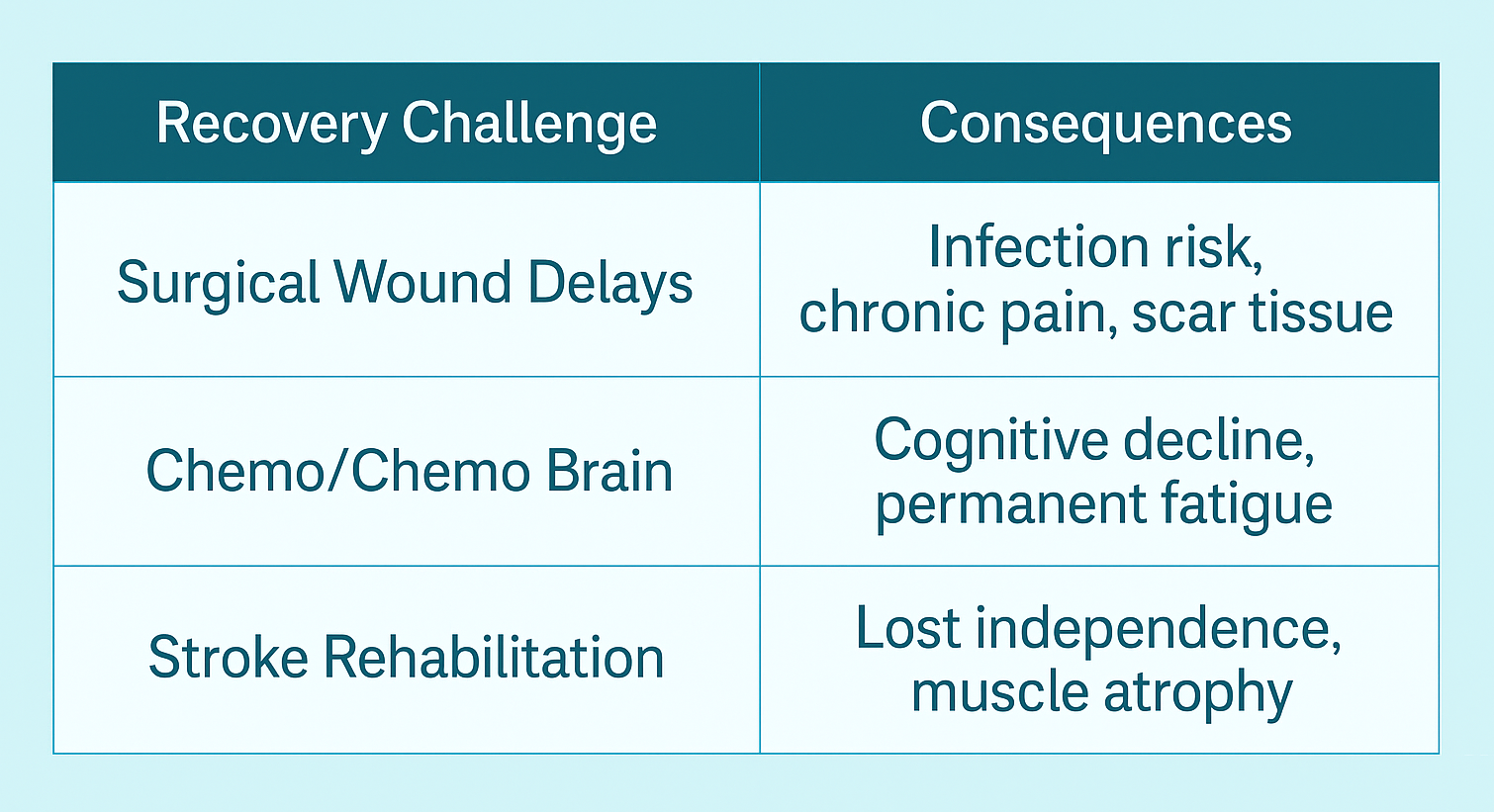
"After my mastectomy, I was told recovery would take 12 weeks. With EBOO, I was back to work in 5. This isn't just healing - it's a revolution." - Andreas P. Whether recovering from surgery, cancer treatment, or stroke, prolonged healing creates devastating ripple effects:
The Hidden Battle Within
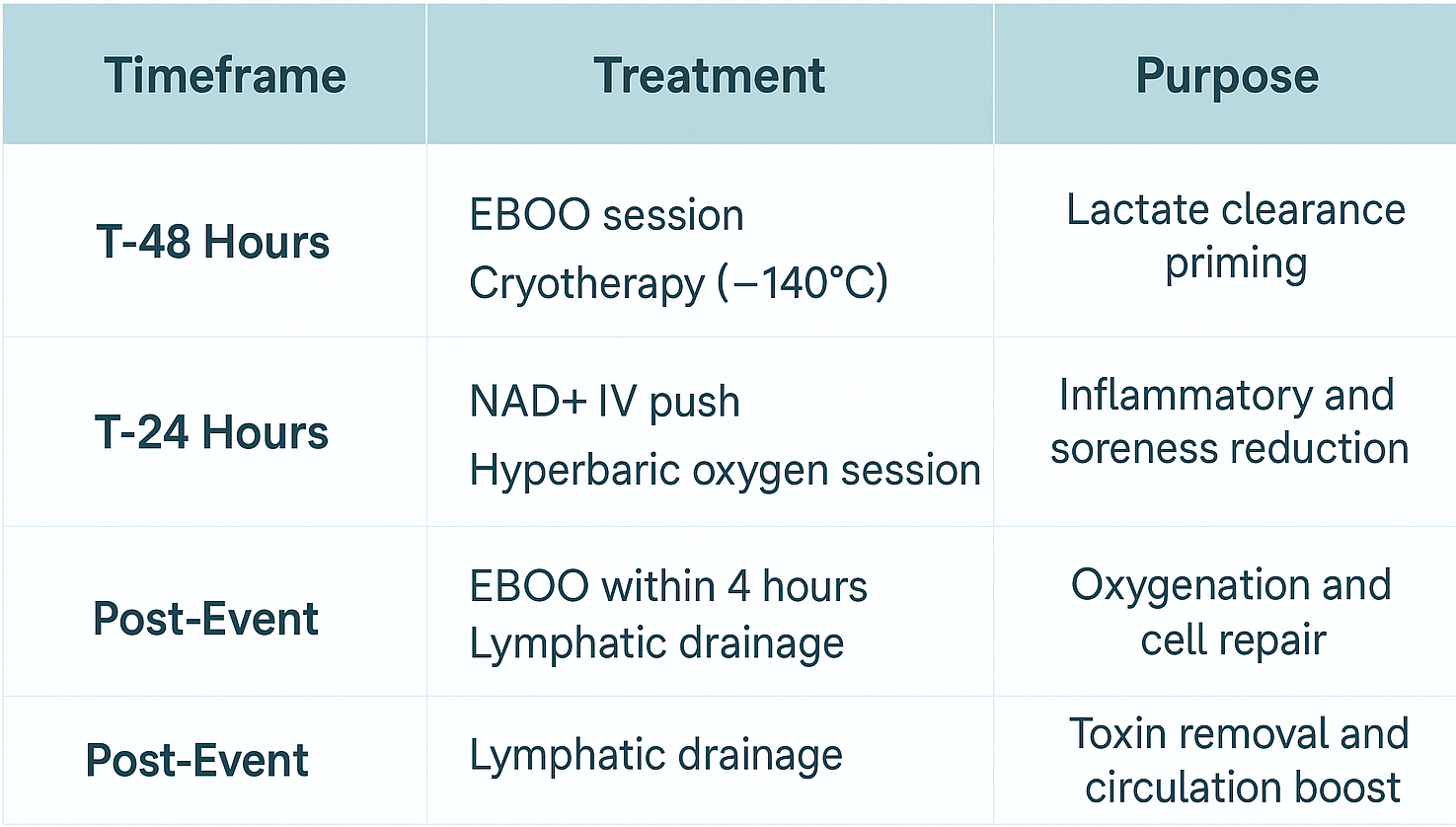
"EBOO is my legal performance enhancer. After sessions, I recover 50% faster and break personal records consistently." Marcos L., Cyprus National Swim Team The High-Performance Paradox You've optimized everything: Cutting-edge training regimens Precision nutrition protocols Recovery tech (cryo, compression, red light) Yet you've hit the performance plateau wall . Why? Because even elite athletes and biohackers overlook their most critical system: blood quality . The Hidden Limiting Factors: Lactate Accumulation : Delays recovery by 24-48hrs Micro-Inflammation : Undetectable but performance-sapping Mitochondrial Fatigue : ATP production declines after peak effort Toxin Burden : Environmental pollutants clog cellular machinery Traditional solutions only scratch the surface. NAD+ helps but doesn't clear toxins. Cryotherapy reduces inflammation temporarily. Nothing addresses the bloodborne performance blockers . EBOO: The Biohacker's Blood Upgrade Athletic Advantage Mechanisms: Lactate Clearance Accelerator Removes 71% of lactate within 45 minutes ( Study ) Enables back-to-back peak performances Mitochondrial Tune-Up Boosts ATP production by 140% Increases VO₂ max utilization efficiency Cellular Detox Filters heavy metals and environmental toxins Reduces oxidative stress by 62% Longevity Enhancement Activates sirtuin pathways (SIRT1, SIRT3) Extends telomere length in immune cells "While others chase marginal gains, smart athletes optimize their internal environment. EBOO is the ultimate physiological reset." Dr. Irina Pavlik The Elite Performance Protocol Disclaimer: Protocols are personalized based on sport/objectives. This is an illustrative example. Competition Phase Protocol
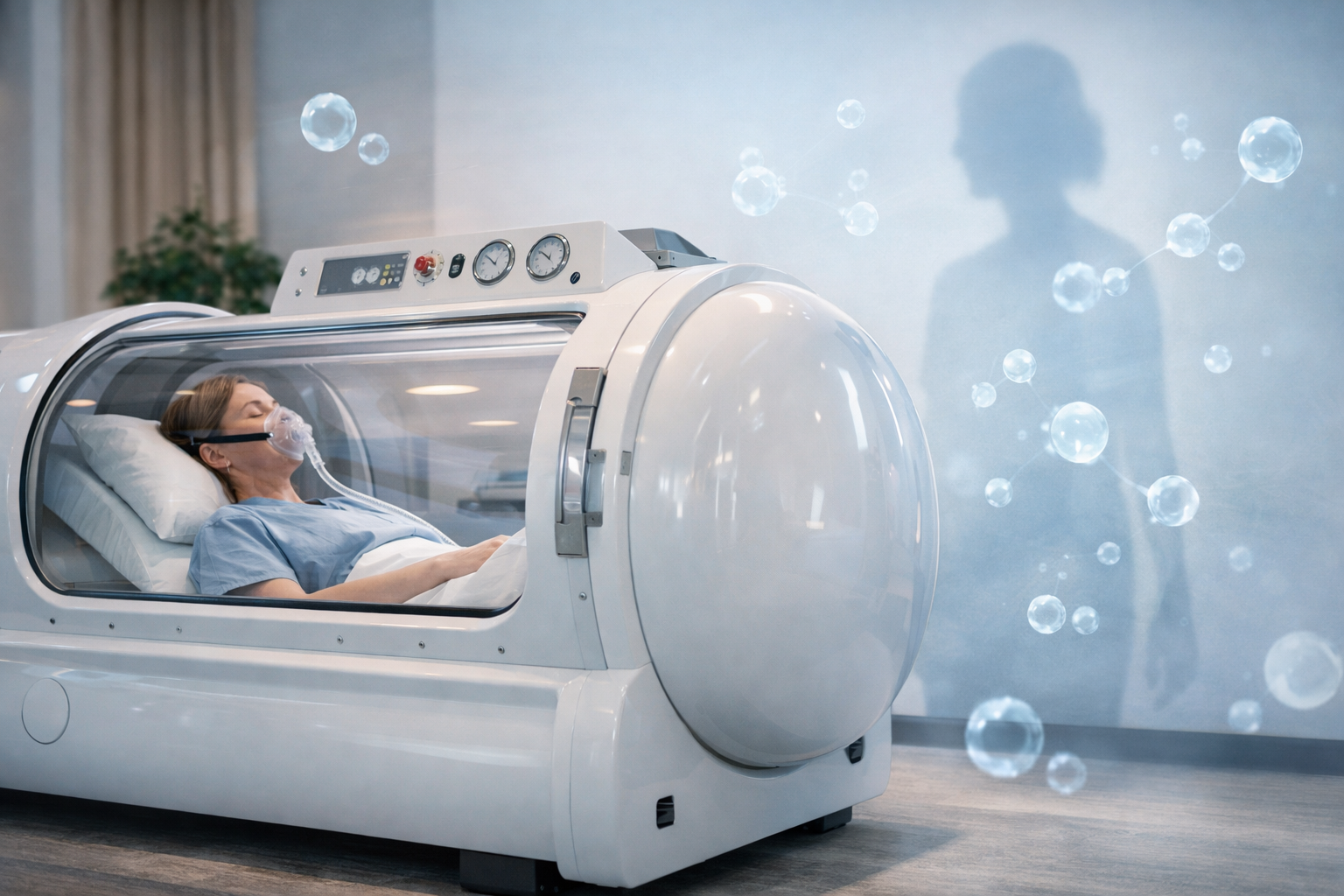
If you’ve been told “it just takes time,” but weeks have turned into months, you’re not alone. Long COVID (also called post-COVID-19 condition) can show up as crushing fatigue, brain fog, sleep disruption, shortness of breath, chest discomfort, headaches, anxiety/depression, lingering pain, or symptoms that flare after physical or mental effort (post-exertional malaise). The CDC notes fatigue, cognitive symptoms (“brain fog”), and PEM are commonly reported, among many others. Reference: CDC Long COVID Signs & Symptoms At Panacea, we see how frustrating this is for people: you want your energy back, your focus back, your workouts back, your normal life back. While Long COVID can be complex, one therapy with growing scientific interest is **Hyperbaric Oxygen Therapy (HBOT)**—especially when delivered as a structured, medically supervised course. People come to HBOT for Long COVID because they’re not looking for “a wellness trend.” They’re looking for a real, measurable shift in how they function day to day. What is HBOT (Hyperbaric Oxygen Therapy)? HBOT is a medical therapy where you relax in a pressurized chamber while breathing oxygen. Under pressure, more oxygen dissolves into the blood and can be delivered to tissues throughout the body. This is one reason HBOT has long been used in conventional medicine for specific approved conditions (like certain wound injuries, radiation injury, carbon monoxide poisoning, and more). Reference: Mayo Clinic HBOT Overview Reference: UHMS HBO Indications Long COVID is not yet a standard approved indication, but HBOT is being actively studied—and results from controlled trials are fueling serious interest in how it may support recovery for some people. Why oxygen therapy could matter in Long COVID One way to understand Long COVID is that the body may stay “stuck” in a recovery loop—where inflammation, vascular changes, and nervous system dysregulation can keep symptoms going long after the infection clears. Researchers have described **endothelial/vascular dysfunction** as one important piece of the post-COVID puzzle for some patients. Reference: JACC Advances review on endothelial dysfunction and COVID (see references) HBOT is being explored because it can support recovery biology in ways that may be relevant to Long COVID, including: 1. Supporting oxygen delivery to stressed tissues Increased dissolved oxygen can help support tissue metabolism and healing environments. Reference: Mayo Clinic HBOT Overview 2. Promoting repair signaling through intermittent oxygen exposure Some researchers describe HBOT’s ability to stimulate repair-related pathways through repeated exposures (sometimes called the “hyperoxic–hypoxic paradox”). Reference: Hadanny & Efrati (PubMed) 3. Supporting brain- and body-wide recovery processes Long COVID often affects multiple systems at once: cognition, mood, sleep, pain, and stamina. HBOT is being studied because of its potential multi-system impact rather than a narrow “one symptom” approach. Reference: Scientific Reports HBOT RCT (2022) The benefits people with Long COVID care about most Most people aren’t chasing a perfect lab result. They want real-life wins like: • Clearer thinking and better focus • More stable energy • Better sleep quality • Less pain or pressure sensations • Improved mood and resilience • Better ability to do daily tasks without “crashing” So what does the research actually show? What studies suggest HBOT can improve Cognition / “Brain fog” and symptoms A randomized, sham-controlled, double-blind trial published in Scientific Reports reported improvement in neurocognitive outcomes and symptoms in post-COVID participants treated with a structured HBOT course compared with sham. Reference: Zilberman-Itskovich et al., Scientific Reports (2022) Quality of life, sleep, pain, and psychiatric symptoms (with durability) A longer-term outcomes paper reported improvements in quality of life and symptoms such as sleep and pain, with benefits persisting at longer follow-up in the studied participants. Reference: Hadanny et al., Scientific Reports (2024) Heart function measures in some patients Another sham-controlled randomized trial reported improvements in measures of myocardial function (including global longitudinal strain) after HBOT compared with sham in post-COVID patients studied. Reference: Leitman et al., Scientific Reports (2023) Why the number of sessions matters (this is a big deal) Not all HBOT programs are equivalent. The “dose” matters. A phase II randomized, placebo-controlled, double-blind trial (HOT-LoCO) found that 10 HBOT sessions did not show more short-term benefit than placebo, even though both groups improved over time. This suggests shorter protocols may be insufficient for many Long COVID patients, and helps explain why structured courses are often used in studies showing stronger results. Reference: Kjellberg et al., BMJ Open (2025) In contrast, the studies showing stronger signals commonly used around 40 sessions in a structured plan. Reference: Zilberman-Itskovich et al., Scientific Reports (2022) HBOT at Panacea: what makes the experience different Long COVID is not one-size-fits-all. That’s why our approach is structured, clinical, and tracked. What you can expect: 1. A real intake (not a rushed visit) We review symptoms, timeline, health history, and factors that can influence recovery. 2. Safety screening and candidacy review HBOT is medical therapy and requires proper screening for contraindications and risk factors. 3. A plan designed around your symptom pattern and tolerance Long COVID can involve post-exertional malaise (PEM), where symptoms worsen after exertion. We take that seriously and build the plan to support steady progress without pushing you into setbacks. Reference: CDC Clinical Guidance on PEM 4. Progress tracking you can actually feel Many clients care about the same markers: energy stability, mental clarity, sleep depth, and ability to return to work/exercise/social life. We encourage structured tracking so changes are visible and meaningful. What we see clinically (without overpromising) In our clinic, we’ve worked with many people dealing with Long COVID who report improvement during a structured HBOT course—often in energy, clarity, sleep, and overall function. Outcomes vary, and HBOT isn’t guaranteed. But for the right candidate, the change can be significant enough that people feel like they’re getting their life back. Safety first (and why supervision matters) HBOT is generally well tolerated when delivered properly, but it’s not risk-free. • Absolute contraindication: untreated pneumothorax StatPearls/NCBI notes untreated pneumothorax as the key absolute contraindication. Reference: NCBI Bookshelf (StatPearls) HBOT Contraindications • Potential side effects Ear/sinus barotrauma (pressure injury) is common; other possible effects include temporary vision changes, fatigue/lightheadedness, and rarely oxygen toxicity (which can include seizures). Reference: Johns Hopkins Complications of HBOT • Facility safety matters The FDA issued a safety letter reminding providers and facilities about safe HBOT device use and the importance of following manufacturer instructions, after reports of serious injuries and deaths. Reference: FDA Letter to Health Care Providers (Aug 25, 2025) If you’re considering HBOT for Long COVID, choose a setting that treats it with the seriousness it deserves: proper screening, trained oversight, and strong safety protocols. FAQ How soon can someone feel changes? Some people report changes within weeks; others notice improvements later in a course. Timing varies, and research that shows benefit often uses multi-week protocols. Does HBOT “cure” Long COVID? Long COVID is complex. HBOT is best understood as a therapy that may support recovery processes and symptom improvement for some people. It’s not a guaranteed cure, and results vary. Can I do HBOT if I get post-exertional crashes? PEM is common in Long COVID. That’s why pacing and careful planning matter. Your care plan should respect your limits and aim to prevent setbacks. Reference: CDC Clinical Guidance on PEM Ready to take the next step? If Long COVID is limiting your life, HBOT may be a science-supported option worth exploring—especially in a structured, medically supervised program with outcomes tracking. Call to action (replace with your info): Book a Long COVID + HBOT consultation at Panacea Phone: [INSERT PHONE] Schedule: [INSERT BOOKING LINK] Medical disclaimer This content is for educational purposes and is not medical advice. HBOT may not be appropriate for everyone. Please consult a qualified clinician for evaluation and individualized guidance. References CDC – Long COVID Signs and Symptoms [https://www.cdc.gov/long-covid/signs-symptoms/index.html](https://www.cdc.gov/long-covid/signs-symptoms/index.html) (Updated July 24, 2025) CDC – Clinical Guidance (Managing Post-Exertional Malaise) [https://www.cdc.gov/long-covid/hcp/clinical-guidance/index.html](https://www.cdc.gov/long-covid/hcp/clinical-guidance/index.html) WHO – Clinical case definition of post-COVID-19 condition (Oct 6, 2021) [https://www.who.int/publications/i/item/WHO-2019-nCoV-Post_COVID-19_condition-Clinical_case_definition-2021.1](https://www.who.int/publications/i/item/WHO-2019-nCoV-Post_COVID-19_condition-Clinical_case_definition-2021.1) Mayo Clinic – Hyperbaric oxygen therapy overview [https://www.mayoclinic.org/tests-procedures/hyperbaric-oxygen-therapy/about/pac-20394380](https://www.mayoclinic.org/tests-procedures/hyperbaric-oxygen-therapy/about/pac-20394380) UHMS – Hyperbaric Oxygen Therapy Indications [https://www.uhms.org/resources/featured-resources/hbo-indications.html](https://www.uhms.org/resources/featured-resources/hbo-indications.html) Scientific Reports (2022) – Hyperbaric oxygen therapy improves neurocognitive functions and symptoms of post-COVID condition (randomized, sham-controlled trial) [https://www.nature.com/articles/s41598-022-15565-0](https://www.nature.com/articles/s41598-022-15565-0) Scientific Reports (2023) – Myocardial function outcomes after HBOT in post-COVID patients [https://www.nature.com/articles/s41598-023-36570-x](https://www.nature.com/articles/s41598-023-36570-x) Scientific Reports (2024) – Long-term outcomes of HBOT in post-COVID condition [https://www.nature.com/articles/s41598-024-53091-3](https://www.nature.com/articles/s41598-024-53091-3) BMJ Open (2025) – HOT-LoCO trial (10 sessions HBOT vs placebo) [https://bmjopen.bmj.com/content/15/4/e094386](https://bmjopen.bmj.com/content/15/4/e094386) NCBI Bookshelf (StatPearls) – HBOT Contraindications (untreated pneumothorax) [https://www.ncbi.nlm.nih.gov/books/NBK557661/](https://www.ncbi.nlm.nih.gov/books/NBK557661/) Johns Hopkins – Complications of Hyperbaric Oxygen Treatment [https://www.hopkinsmedicine.org/health/treatment-tests-and-therapies/complications-of-hyperbaric-oxygen-treatment](https://www.hopkinsmedicine.org/health/treatment-tests-and-therapies/complications-of-hyperbaric-oxygen-treatment) FDA – Follow Instructions for Safe Use of Hyperbaric Oxygen Therapy Devices (Aug 25, 2025) [https://www.fda.gov/medical-devices/letters-health-care-providers/follow-instructions-safe-use-hyperbaric-oxygen-therapy-devices-letter-health-care-providers](https://www.fda.gov/medical-devices/letters-health-care-providers/follow-instructions-safe-use-hyperbaric-oxygen-therapy-devices-letter-health-care-providers) PubMed – Hyperoxic–hypoxic paradox (HBOT repair signaling concept) [https://pubmed.ncbi.nlm.nih.gov/32630465/](https://pubmed.ncbi.nlm.nih.gov/32630465/)
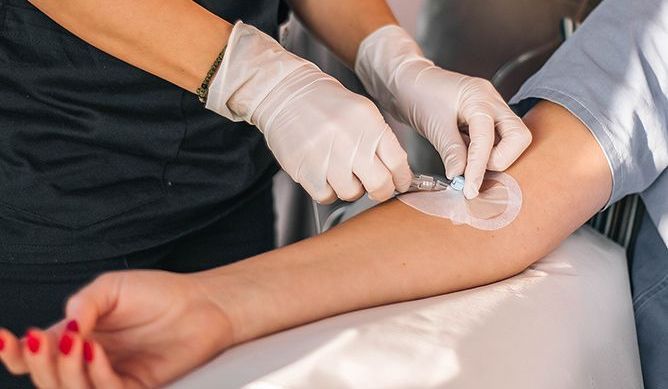
When Blood Becomes the Battleground
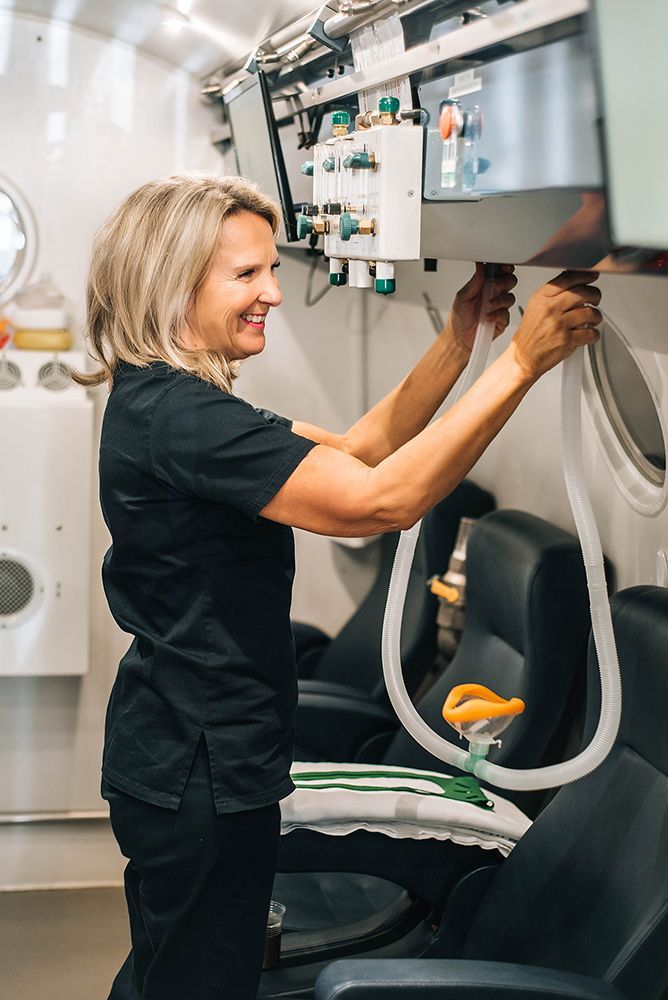
Introduction Hyperbaric Oxygen Therapy (HBOT) is an innovative medical treatment that is gaining popularity worldwide for its ability to promote healing, reduce inflammation, and enhance recovery from various conditions. At Panacea Medical Center in Cyprus , patients have access to state-of-the-art HBOT facilities and expert medical care tailored to their unique needs. Whether you're recovering from surgery, managing a chronic condition, or seeking enhanced physical and mental performance, HBOT could be the breakthrough therapy you’ve been looking for. In this guide, we’ll explore what HBOT is, how it works, and why it has become a sought-after treatment for a wide range of medical and wellness applications. What is Hyperbaric Oxygen Therapy (HBOT)? Hyperbaric Oxygen Therapy (HBOT) is a non-invasive medical treatment in which a patient breathes pure oxygen inside a pressurized chamber . The increased atmospheric pressure allows higher levels of oxygen to dissolve into the blood plasma, significantly improving oxygen delivery to tissues and organs. Unlike standard oxygen therapy, which relies on hemoglobin-bound oxygen, HBOT enables oxygen to diffuse deeper into body tissues , reaching areas with poor circulation or damage. This helps stimulate healing, reduce inflammation, and support the body’s natural repair processes. How Does HBOT Work? The science behind HBOT is based on two fundamental principles: Increased Oxygen Concentration – Under normal conditions, oxygen is transported by red blood cells. However, during HBOT, the pressurized environment allows oxygen to dissolve directly into the blood plasma, which enhances delivery to tissues, even those with reduced or blocked circulation. Higher Atmospheric Pressure – The increased pressure in the chamber forces oxygen into cells, tissues, and fluids at a much higher rate than normal breathing. This promotes angiogenesis (new blood vessel formation), stem cell activation, and anti-inflammatory responses that accelerate recovery. The therapy is conducted in specialized monoplace (single-person) or multiplace (multiple-person) hyperbaric chambers , with sessions typically lasting 60 to 90 minutes depending on the condition being treated. Conditions Treated with HBOT (1 long covid, Diabetic, Stroke, Lyme) 1. Diabetic Foot Ulcers & Chronic Wounds Patients with diabetes often suffer from poor circulation, leading to chronic non-healing wounds . HBOT increases oxygen supply to damaged tissues , promoting faster healing, reducing infection risks, and even preventing amputations. 2. Decompression Sickness (DCS) Commonly known as "the bends," decompression sickness occurs when nitrogen bubbles form in the bloodstream due to rapid pressure changes (such as scuba diving). HBOT is the primary treatment for DCS, as it helps dissolve nitrogen bubbles and restores normal circulation. 3. Long COVID Recovery Emerging research suggests that HBOT may be effective in alleviating long COVID symptoms such as chronic fatigue, brain fog, and breathing difficulties. Increased oxygen delivery supports mitochondrial function and reduces neuroinflammation , improving overall energy levels. 4. Fibromyalgia & Chronic Pain Syndromes Patients with fibromyalgia often experience widespread pain, fatigue, and cognitive difficulties. HBOT has shown promise in reducing inflammation, oxidative stress, and nerve pain , leading to improved pain management and quality of life . 5. Post-Surgery & Post-Operation Recovery HBOT speeds up tissue regeneration , reduces swelling, and minimizes the risk of infections following surgical procedures. Many patients, including those recovering from orthopedic, cosmetic, and dental surgeries , experience faster recovery times and reduced complications. 6. Cancer Treatment Recovery While HBOT is not a cure for cancer , it plays a crucial role in post-radiation recovery . Radiation therapy can cause damage to surrounding healthy tissues, leading to conditions like radiation necrosis . HBOT helps oxygenate these tissues, promote repair, and reduce inflammation . 7. Stroke Recovery After a stroke, the affected brain areas often suffer from low oxygen levels . HBOT helps reactivate dormant neurons, stimulate neuroplasticity, and improve cognitive function in stroke survivors. Studies have shown promising results in enhancing brain function and mobility post-stroke. 8. Lyme Disease Treatment Support Lyme disease can lead to chronic fatigue, joint pain, and neurological issues . HBOT aids in reducing bacterial load, improving immune function, and decreasing inflammation , making it a valuable adjunct therapy for Lyme disease sufferers. 9. Performance Boost – Mental & Physical Athletes and high-performance professionals are increasingly using HBOT to enhance endurance, accelerate muscle recovery, and improve cognitive function . By delivering more oxygen to muscles and the brain, HBOT optimizes physical stamina and mental clarity , benefiting both professional athletes and individuals seeking peak performance. Outline: How Does Hyperbaric Oxygen Therapy Work? Understanding the Science Behind HBOT 1. Introduction Overview of Hyperbaric Oxygen Therapy (HBOT) Why understanding the science behind HBOT is important Brief mention of research-backed benefits 2. The Basics of Hyperbaric Oxygen Therapy Definition of HBOT and its core principles Explanation of a hyperbaric chamber and treatment process The difference between monoplace vs. multiplace chambers 3. The Science Behind HBOT: Oxygen, Pressure, and Healing How breathing 100% oxygen under high pressure affects the body The Henry’s Law principle – how pressure increases oxygen solubility in blood plasma How oxygen reaches hypoxic (low-oxygen) tissues 4. Key Physiological Effects of HBOT Enhanced Tissue Oxygenation – oxygen dissolving into plasma for better circulation Cellular Repair & Regeneration – oxygen’s role in mitochondrial function & stem cell activation Angiogenesis (New Blood Vessel Formation) – how HBOT stimulates vascular growth Reduction in Inflammation & Oxidative Stress – how HBOT regulates immune response Antimicrobial Effects & Immune Boosting – how high oxygen levels combat infections 5. HBOT’s Role in Treating Various Conditions Wound Healing & Chronic Ulcers – improving diabetic foot ulcer outcomes Neurological Recovery – brain function improvement after stroke, TBI, and long COVID Pain & Inflammation Management – fibromyalgia, arthritis, and autoimmune disorders Radiation-Induced Tissue Damage – oxygen therapy for cancer treatment recovery 6. Key Studies & Clinical Evidence UHMS guidelines on approved conditions for HBOT Reference to peer-reviewed studies on wound healing, brain recovery, and inflammation reduction Highlight recent clinical trials on HBOT’s effectiveness in long COVID and stroke recovery 7. Addressing Common Misconceptions About HBOT Debunking myths about HBOT as a cure-all The difference between proven medical applications vs. experimental use 8. The Future of Hyperbaric Medicine Advances in HBOT research and new emerging applications Ongoing clinical trials and FDA evaluations 9. Conclusion Summary of how HBOT works and why it’s beneficial Encouragement to consult a medical expert before considering HBOT 10. FAQs How many HBOT sessions are needed to see results? Can HBOT improve athletic performance? Is HBOT safe for people with heart conditions? What’s the difference between mild HBOT and high-pressure HBOT? Are there risks of too much oxygen exposure?
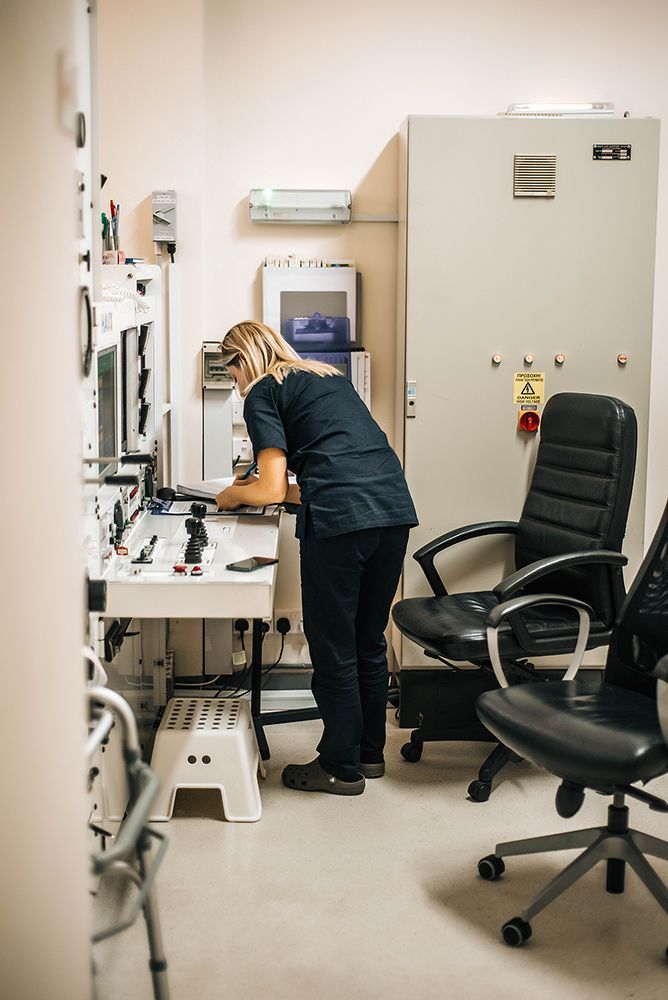
Introduction Hyperbaric Oxygen Therapy (HBOT) is a groundbreaking medical treatment that utilizes pure oxygen at increased atmospheric pressure to promote healing and recovery. Originally developed for decompression sickness in divers, HBOT has since been recognized for its ability to enhance tissue repair, reduce inflammation, and improve neurological function . But how exactly does HBOT work? What happens in the body when exposed to high-pressure oxygen , and why is it effective for conditions like wound healing, stroke recovery, and chronic inflammation ? In this guide, we’ll break down the scientific mechanisms behind HBOT , explaining how oxygen therapy supports cellular repair, immune function, and vascular regeneration . The Basics of Hyperbaric Oxygen Therapy HBOT is a non-invasive therapy in which patients breathe 100% oxygen inside a hyperbaric chamber , typically at 1.5 to 3 times atmospheric pressure . This process enhances oxygen delivery throughout the body, even to areas with poor circulation or damage . Hyperbaric Chambers: How They Work There are two main types of hyperbaric chambers: Monoplace chambers – Single-person chambers that resemble a clear, tube-like capsule. Multiplace chambers – Larger chambers accommodating multiple patients, where oxygen is delivered via masks or hoods. During a session (usually 60-90 minutes ), the increased atmospheric pressure forces more oxygen into the bloodstream, plasma, and tissues , accelerating recovery. The Science Behind HBOT: Oxygen, Pressure, and Healing HBOT relies on two key scientific principles : Henry’s Law – The amount of gas (oxygen) dissolved in a liquid (blood plasma) increases with pressure. In an HBOT chamber, oxygen dissolves directly into plasma , reaching tissues beyond what red blood cells alone can supply. Boyle’s Law – As pressure increases, the volume of gas decreases. This helps reduce gas bubbles in the bloodstream (crucial for treating decompression sickness). By increasing oxygen concentration at the cellular level , HBOT creates an environment that enhances tissue repair and fights infection . Key Physiological Effects of HBOT 1. Enhanced Tissue Oxygenation Under normal conditions, oxygen is transported by red blood cells . However, during HBOT, oxygen dissolves directly into plasma , allowing it to reach areas with low blood flow (ischemia) , such as: Wounds & ulcers in diabetic patients Damaged brain tissue post-stroke or traumatic brain injury Inflamed tissues in autoimmune disorders 🔗 Study: A 2021 study in Advances in Wound Care found that HBOT significantly improves oxygen diffusion in chronic wounds, reducing healing time ( Kranke et al., 2021 ). 2. Cellular Repair & Regeneration Oxygen is essential for cellular metabolism and ATP production (the energy source of cells). Increased oxygen levels: ✅ Boost mitochondrial function (energy production) ✅ Stimulate stem cell activation for faster healing ✅ Reduce oxidative stress and support anti-aging mechanisms 🔗 Study: Research in Cell Metabolism (2022) demonstrated that HBOT activates hypoxia-inducible factors (HIF-1α) , which promote stem cell production ( Efrati et al., 2022 ). 3. Angiogenesis (New Blood Vessel Formation) One of HBOT’s most powerful effects is its ability to stimulate angiogenesis , the growth of new blood vessels. This process is crucial for: Healing damaged tissues after surgery Recovering from radiation-induced injuries Restoring blood flow in ischemic areas (e.g., post-stroke recovery) 🔗 Study: A 2020 study in Journal of Vascular Research confirmed that HBOT upregulates VEGF (vascular endothelial growth factor) , a key molecule in blood vessel formation ( Thom et al., 2020 ). 4. Reduction in Inflammation & Oxidative Stress Chronic inflammation is a major factor in conditions like fibromyalgia, arthritis, and autoimmune diseases . HBOT helps by: ✅ Decreasing pro-inflammatory cytokines (TNF-α, IL-1, IL-6) ✅ Increasing antioxidant enzyme activity (superoxide dismutase, catalase) ✅ Modulating immune response to prevent tissue damage 🔗 Study: A 2023 Frontiers in Immunology review found that HBOT significantly reduces inflammation markers in long COVID and chronic fatigue syndrome patients ( Hadanny & Efrati, 2023 ). 5. Antimicrobial Effects & Immune Boosting Oxygen plays a direct role in the body’s ability to fight infections . High oxygen concentrations: Kill anaerobic bacteria (e.g., those causing gangrene) Enhance white blood cell activity Promote collagen production for wound healing 🔗 Guidelines: The Undersea and Hyperbaric Medical Society (UHMS) recognizes HBOT as a first-line treatment for necrotizing infections and gas gangrene ( www.uhms.org ). HBOT’s Role in Treating Various Conditions HBOT is FDA-approved and widely studied for treating: ✅ Diabetic Foot Ulcers – Enhances wound healing and prevents amputations ✅ Neurological Disorders – Improves recovery in stroke and traumatic brain injury (TBI) ✅ Chronic Pain Syndromes – Helps in fibromyalgia, arthritis, and inflammatory diseases ✅ Radiation Damage – Restores tissues damaged by cancer treatments 🔗 Clinical Trial: A randomized controlled trial in PLOS One (2023) showed that long COVID patients treated with HBOT reported improved brain function and reduced fatigue compared to placebo ( Zilberman-Itskovich et al., 2023 ). Addressing Common Misconceptions About HBOT 🚫 Myth: HBOT is a “miracle cure” for any disease. ✅ Truth: While highly effective for many conditions, HBOT works best when used alongside traditional medical treatments . 🚫 Myth: Too much oxygen is dangerous. ✅ Truth: HBOT is carefully regulated ; under proper supervision, the risk of oxygen toxicity is minimal. The Future of Hyperbaric Medicine Emerging research suggests HBOT may have potential applications in: Neurodegenerative diseases (e.g., Alzheimer’s, Parkinson’s) Aging and longevity medicine Enhancing sports recovery & cognitive performance Ongoing clinical trials are further exploring its role in cancer recovery, PTSD treatment, and metabolic disorders . Conclusion Hyperbaric Oxygen Therapy is a scientifically backed, FDA-approved treatment that enhances healing, reduces inflammation, and improves neurological function . By increasing oxygen levels at the cellular level , HBOT offers hope for patients suffering from chronic wounds, neurological damage, and inflammatory conditions . For those considering HBOT, consult a medical professional to determine whether this innovative therapy is right for you. FAQs 1. How many HBOT sessions are needed to see results? Most patients see benefits after 10-40 sessions , depending on their condition. 2. Can HBOT improve athletic performance? Yes! HBOT is used by elite athletes to speed up recovery and enhance endurance . 3. Is HBOT safe for people with heart conditions? In most cases, yes, but always consult a doctor first. 4. What’s the difference between mild HBOT and high-pressure HBOT? Mild HBOT (1.3 ATA) is often used for wellness, while medical HBOT (2.0-3.0 ATA) is for serious conditions . 5. Are there risks of too much oxygen exposure? Only if improperly administered. Under supervision, HBOT is safe and effective .

Introduction Hyperbaric Oxygen Therapy (HBOT) is revolutionizing modern medicine by unlocking the healing potential of pure oxygen under high pressure . Originally developed for deep-sea divers suffering from decompression sickness , HBOT has since been recognized for its remarkable ability to accelerate healing, reduce inflammation, and enhance recovery across a wide range of conditions. From chronic wounds to neurological disorders , the benefits of HBOT are backed by scientific research and real-world patient success stories . Whether you're recovering from an injury, managing a chronic illness, or seeking a boost in physical and mental performance, HBOT offers a natural, non-invasive approach to healing and wellness . How HBOT Accelerates Healing and Recovery At normal atmospheric pressure, oxygen is transported through the bloodstream by red blood cells . However, HBOT dramatically increases oxygen levels in plasma , allowing oxygen to penetrate deep into tissues, even in areas with poor circulation or damage . 🔬 Scientific Principle: Henry’s Law states that gases dissolve more readily in liquids under pressure . In an HBOT chamber, oxygen dissolves directly into blood plasma, cerebrospinal fluid, and lymphatic fluid , dramatically improving oxygen delivery to tissues . This high-oxygen environment : ✅ Speeds up cellular repair ✅ Promotes angiogenesis (new blood vessel formation) ✅ Reduces inflammation and oxidative stress ✅ Enhances immune system function Key Clinical Findings 📌 A 2021 study published in Advances in Wound Care found that HBOT accelerates wound healing by 50-60% in diabetic foot ulcer patients, significantly reducing the risk of amputation ( Kranke et al., 2021 ). 📌 Research in Cell Metabolism (2022) confirmed that HBOT stimulates stem cell release , boosting tissue regeneration and repair ( Efrati et al., 2022 ). Key Benefits of HBOT 1. Faster Wound Healing & Tissue Regeneration One of the most well-documented benefits of HBOT is its ability to enhance wound healing in patients suffering from: Diabetic foot ulcers Surgical wounds Burn injuries Radiation-induced tissue damage 🔬 Study Highlight: A 2022 clinical trial in The Journal of Wound Care found that 80% of patients with non-healing ulcers experienced complete wound closure after undergoing HBOT. 2. Reduction in Inflammation & Pain Relief Chronic inflammation is a major driver of conditions like fibromyalgia, arthritis, and autoimmune diseases . HBOT helps by: ✅ Suppressing pro-inflammatory cytokines (TNF-α, IL-6, IL-1β) ✅ Reducing oxidative stress and free radical damage ✅ Enhancing circulation to inflamed tissues 🔬 Study: A 2023 Frontiers in Immunology review confirmed that HBOT significantly reduces inflammation markers in fibromyalgia and long COVID patients . 3. Improved Recovery for Athletes & Physical Performance Many elite athletes and biohackers use HBOT to speed up muscle recovery, reduce soreness, and boost endurance . Oxygen-rich environments flush out lactic acid , reducing muscle fatigue and enhancing performance. 🏆 Case Study: A 2021 study in The Journal of Sports Medicine found that HBOT reduced recovery time by 40% in athletes with soft tissue injuries. 4. Treatment for Decompression Sickness (DCS) in Divers For scuba divers, HBOT is the gold standard treatment for decompression sickness ("the bends") . When divers ascend too quickly, nitrogen bubbles form in the bloodstream, causing joint pain, dizziness, and even paralysis . HBOT eliminates these bubbles and restores normal circulation. 🔬 Guideline: The Undersea and Hyperbaric Medical Society (UHMS) recognizes HBOT as the primary treatment for DCS , with success rates exceeding 95% when administered promptly. 5. Cognitive and Neurological Benefits HBOT has shown tremendous promise in treating brain-related conditions , including: Stroke recovery Traumatic brain injury (TBI) Cognitive decline and memory loss Long COVID brain fog 🔬 Clinical Trial: A 2021 study in Nature Scientific Reports found that HBOT significantly improved memory, focus, and neuroplasticity in post-stroke patients . 6. Immune System Boost & Antimicrobial Effects HBOT enhances the immune system by: ✅ Increasing white blood cell activity ✅ Killing anaerobic bacteria (gangrene, Lyme disease pathogens, etc.) ✅ Supporting detoxification and cellular repair 🔬 Guideline: The FDA and CDC approve HBOT for treating necrotizing infections, gangrene, and osteomyelitis . 7. Radiation Injury Recovery & Cancer Treatment Support Cancer patients undergoing radiation therapy often experience severe tissue damage . HBOT helps by: Restoring oxygen to radiation-damaged tissues Promoting new blood vessel growth Reducing fibrosis and inflammation 🔬 Clinical Trial: A 2020 study in The Journal of Cancer Research found that HBOT reduced radiation-induced side effects in 72% of cancer patients . Emerging Applications of HBOT 1. Long COVID Recovery HBOT is being investigated as a therapy for long COVID , helping patients with: Fatigue and breathlessness Brain fog and cognitive issues Persistent inflammation 🔬 Study: A 2023 PLOS One trial found that long COVID patients treated with HBOT reported a 50% improvement in energy levels and cognitive function . 2. Autoimmune Conditions Early research suggests that HBOT may benefit multiple sclerosis, Crohn’s disease, and lupus by modulating immune function and reducing flare-ups . Real Patient Case Studies & Success Stories 👨⚕️ Case Study: Diabetic Foot Ulcer (Andreas, 67) "Doctors warned me that I might lose my foot due to a severe ulcer. After 30 HBOT sessions, my wound healed completely, and I avoided amputation!" 🧠 Case Study: Long COVID (Maria, 42) "I struggled with brain fog and fatigue for over a year. After HBOT, my mental clarity improved dramatically!" 🏃 Athlete Testimonial (David, 29) "HBOT cut my muscle recovery time in half! I’m stronger and more energized than ever." The Future of HBOT in Wellness and Medicine The future of HBOT is promising , with ongoing research into: ✅ Neurodegenerative diseases (Alzheimer’s, Parkinson’s) ✅ Aging and longevity medicine ✅ Biohacking for peak performance Conclusion Hyperbaric Oxygen Therapy is a scientifically proven, FDA-approved treatment that enhances healing, reduces inflammation, and improves neurological function . Whether you're recovering from an injury, managing a chronic condition, or looking for an edge in physical and mental performance , HBOT offers a powerful, non-invasive path to wellness . FAQs 1. How long does it take to see results from HBOT? Most patients experience improvements within 5-20 sessions , depending on their condition. 2. Can HBOT help with fibromyalgia? Yes! HBOT reduces inflammation and pain in fibromyalgia patients. 3. Is HBOT safe for seniors? Absolutely! HBOT is commonly used for stroke recovery, dementia, and wound healing .
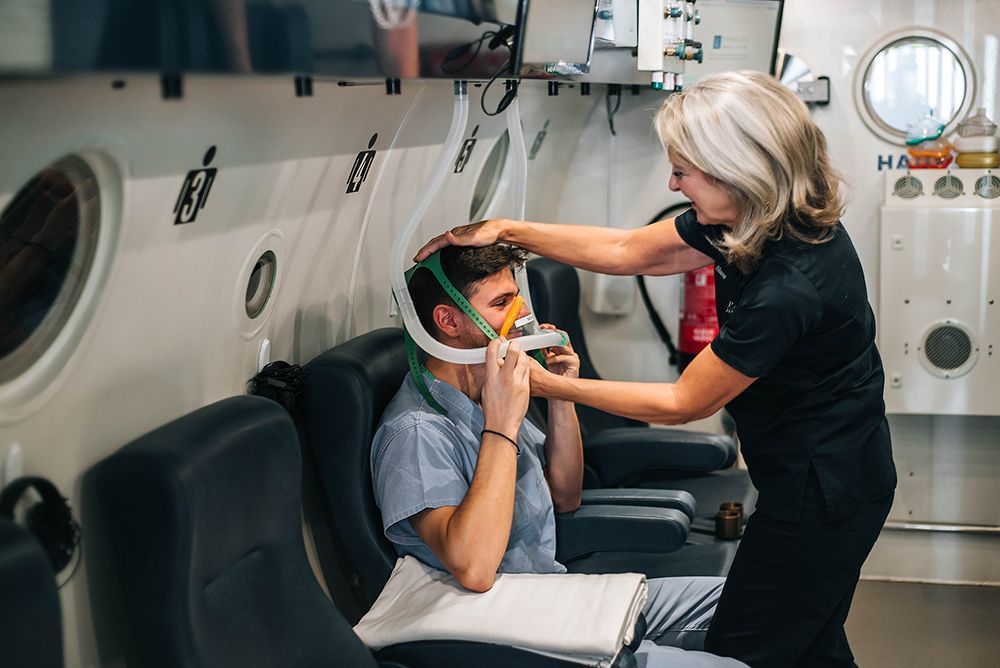
Introduction Hyperbaric Oxygen Therapy (HBOT) has emerged as a powerful treatment for a wide range of medical conditions, from chronic wounds and neurological disorders to post-radiation injuries and long COVID . At Panacea Medical Center in Cyprus , we specialize in providing medically supervised HBOT treatments , offering hope and healing to patients suffering from complex conditions. By delivering 100% oxygen under increased atmospheric pressure , HBOT enhances tissue oxygenation, promotes cellular repair, and reduces inflammation . In this article, we’ll explore the conditions treated with HBOT at Panacea Medical Center , supported by clinical research and real patient success stories. How HBOT Works: The Science of Oxygen Healing Hyperbaric oxygen therapy increases oxygen delivery to tissues that have been compromised due to injury, disease, or poor circulation . Under normal conditions, oxygen is carried by red blood cells. However, HBOT enables oxygen to dissolve directly into plasma , reaching areas that may otherwise suffer from hypoxia (low oxygen levels) . 🔬 Key Scientific Effects of HBOT: ✅ Stimulates angiogenesis (new blood vessel formation) ✅ Enhances stem cell activation and tissue regeneration ✅ Reduces inflammation and oxidative stress ✅ Boosts immune function and antimicrobial defense 📌 Clinical Evidence: A study published in Cell Metabolism (2022) found that HBOT significantly enhances stem cell release and oxygen utilization , supporting tissue repair in chronic conditions ( Efrati et al., 2022 ). FDA-Approved and Medically Recognized Conditions 1. Decompression Sickness (DCS) & Diving-Related Injuries Decompression sickness (DCS), also known as "the bends," occurs when nitrogen bubbles form in the bloodstream due to rapid pressure changes (such as ascending too quickly after a deep-sea dive). HBOT is the gold-standard treatment for DCS, as it helps: ✅ Dissolve nitrogen bubbles ✅ Restore normal circulation ✅ Prevent permanent neurological damage 📌 Guideline: The Undersea and Hyperbaric Medical Society (UHMS) and Divers Alert Network (DAN) recommend HBOT as the primary treatment for DCS with a 95% success rate when administered promptly . 💬 Case Study: A professional diver treated at Panacea Medical Center experienced complete neurological recovery after undergoing 10 HBOT sessions for severe DCS . 2. Diabetic Foot Ulcers & Chronic Wound Healing For diabetic patients , poor circulation leads to non-healing wounds , increasing the risk of infection and amputation . HBOT stimulates angiogenesis and collagen synthesis , accelerating wound healing. 🔬 Study: A 2021 Advances in Wound Care study found that HBOT reduced amputation risk by 40% in diabetic foot ulcer patients . ✅ Increases tissue oxygenation ✅ Enhances fibroblast activity and wound closure ✅ Reduces bacterial infections in chronic wounds 💬 Patient Testimonial: "My doctors warned me about amputation, but after 30 HBOT sessions, my foot ulcer healed completely!" 3. Radiation-Induced Tissue Damage Patients undergoing radiation therapy for cancer may develop radiation necrosis, soft tissue damage, or osteoradionecrosis . HBOT restores oxygen flow to damaged tissues , helping: ✅ Regenerate blood vessels in radiation-damaged areas ✅ Reduce pain and inflammation ✅ Prevent long-term complications 📌 Clinical Evidence: A study in The Journal of Cancer Research found that HBOT reduced radiation-induced side effects in 72% of cancer patients . 4. Stroke Recovery & Traumatic Brain Injury (TBI) Brain injuries often lead to permanent neurological deficits due to low oxygen levels in damaged brain tissue. HBOT has been shown to reactivate dormant neurons and improve cognitive function in stroke and TBI patients. 🔬 Study: Research in Nature Scientific Reports (2021) demonstrated significant improvements in memory, motor skills, and neuroplasticity in post-stroke patients after HBOT . ✅ Enhances oxygen delivery to ischemic brain tissue ✅ Improves cognitive function and mobility ✅ Supports neuroplasticity and long-term brain healing 💬 Success Story: A stroke survivor at Panacea Medical Center regained mobility and speech clarity after 20 HBOT sessions. 5. Long COVID & Post-Viral Fatigue Syndrome Long COVID patients experience persistent fatigue, brain fog, and breathing difficulties due to ongoing inflammation and vascular damage . HBOT has been shown to reduce symptoms by improving oxygen utilization and mitochondrial function . 📌 Clinical Trial: A 2023 PLOS One study reported a 50% improvement in cognitive function and energy levels in long COVID patients after HBOT . ✅ Restores oxygen flow to inflamed tissues ✅ Reduces neuroinflammation and brain fog ✅ Boosts mitochondrial energy production 💬 Patient Testimonial: "I struggled with brain fog for over a year. After HBOT, my mental clarity and energy levels improved dramatically!" 6. Fibromyalgia & Chronic Pain Conditions Fibromyalgia patients suffer from chronic muscle pain, fatigue, and neurological symptoms . HBOT has been shown to reduce inflammation, improve circulation, and relieve pain . 🔬 Study: A 2023 Frontiers in Immunology review confirmed that HBOT significantly reduces inflammation markers in fibromyalgia patients , leading to pain relief and improved mobility . ✅ Regulates pain pathways and reduces nerve hypersensitivity ✅ Decreases oxidative stress and inflammation ✅ Enhances mitochondrial function in muscle cells 7. Autoimmune Disorders & Inflammatory Conditions HBOT is being explored as a complementary therapy for autoimmune diseases like multiple sclerosis (MS), Crohn’s disease, and lupus . It helps by: ✅ Reducing systemic inflammation ✅ Modulating immune function ✅ Enhancing cellular detoxification 📌 Research: Studies suggest that HBOT may help regulate overactive immune responses in autoimmune conditions . 8. Post-Surgical Recovery & Injury Rehabilitation For patients recovering from orthopedic, cosmetic, or reconstructive surgery , HBOT accelerates tissue healing, reduces swelling, and minimizes complications . ✅ Enhances collagen production and tissue regeneration ✅ Reduces post-surgical pain and inflammation ✅ Speeds up rehabilitation after musculoskeletal injuries 💬 Case Study: A Panacea patient recovering from knee surgery experienced faster healing and reduced downtime after HBOT . Why Choose Panacea Medical Center for HBOT? ✅ State-of-the-Art Hyperbaric Chambers ✅ Highly Experienced Medical Team ✅ Personalized Treatment Plans ✅ Proven Patient Success Stories 💡 Book a Consultation Today: Call +357 24 25 25 01 or visit www.panacea-cy.com to learn more about how HBOT can benefit you. Conclusion Hyperbaric Oxygen Therapy is a clinically validated, FDA-approved treatment with life-changing benefits. From neurological recovery to wound healing and immune modulation , HBOT at Panacea Medical Center provides cutting-edge care for a variety of conditions . If you or a loved one could benefit from oxygen therapy , contact Panacea Medical Center today and begin your journey to better health.